
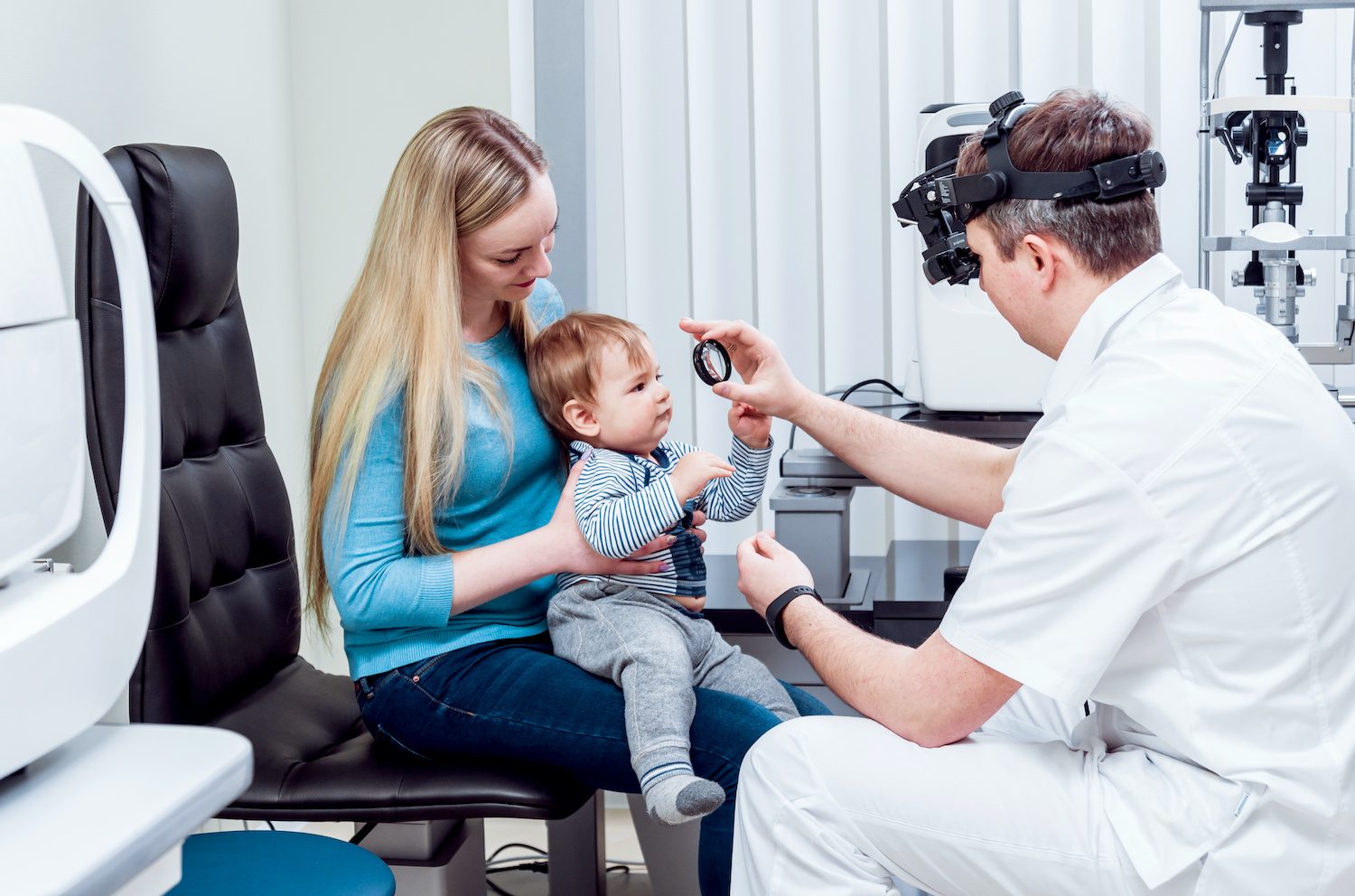
Your baby’s first year is full of milestones: first smiles, first rolls, first foods, first steps, and so many little changes that seem to happen overnight. But one milestone many parents don’t always think about right away is their baby’s first eye exam.
At ForSight Unique Eye Care & Eye Wear, we’re advocates for pediatric eye care, and we believe parents should feel informed, not overwhelmed. If you’re a parent in Savannah wondering when your baby should have their first eye exam, what InfantSEE® is, or what an infant eye assessment actually includes, here’s what you need to know.
InfantSEE® is a public health program that helps make early infant eye care more accessible for families.
Through InfantSEE®, participating optometrists provide a one-time, no-cost eye and vision assessment for infants between 6 and 12 months old. The program is designed to help identify potential vision or eye health concerns early, during a key stage of development.
For parents, the biggest thing to know is this: your baby doesn’t need to know letters, shapes, or how to speak for an optometrist to evaluate their eyes. Infant eye exams use age-appropriate methods to assess how the eyes are developing and working together.
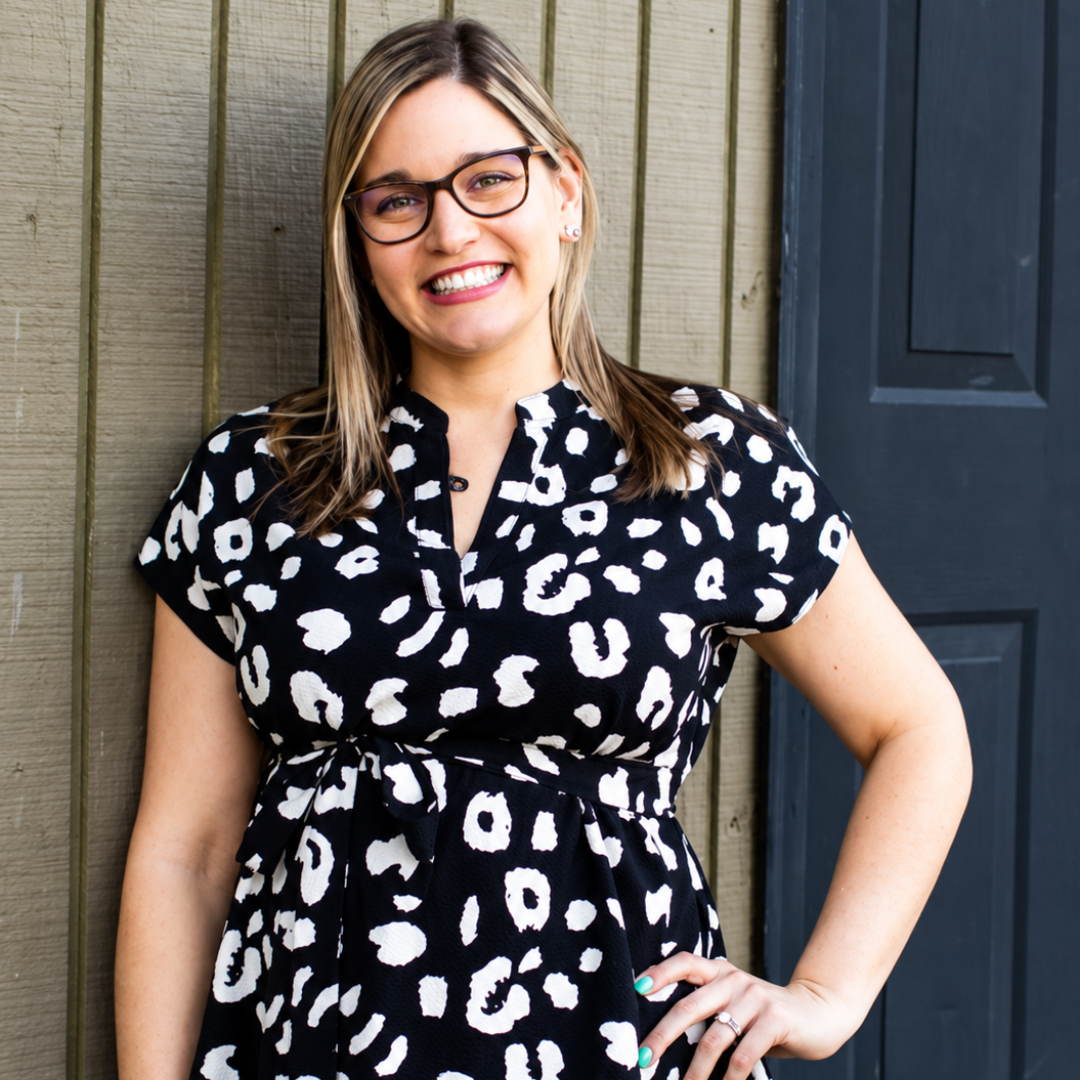
At ForSight, pediatric eye care is an important part of how we care for Savannah families. Dr. Melissa Keller, our Associate Optometrist, is the doctor who primarily sees children at our office. She brings a calm, thorough, and family-friendly approach to helping parents understand their child’s vision, eye health, and next steps.
ForSight offers pediatric eye exams in Savannah, GA for infants and children, including InfantSEE® assessments for eligible babies.
The American Optometric Association recommends a comprehensive baseline eye assessment between 6 and 12 months of age. Through InfantSEE®, participating optometrists provide eligible infants with a one-time, no-cost assessment during the first year of life.
That 6-to-12-month window matters because your baby’s eyes and brain are still learning how to work together. During this stage, your baby is developing focusing skills, eye movement, depth perception, and the ability to use both eyes as a team.
A baby’s first eye exam can help evaluate whether the eyes are healthy, whether both eyes are working together, and whether there are signs of issues that could affect visual development. An infant eye assessment isn’t about making parents worry! It’s about giving parents peace of mind, catching potential concerns early, and helping your family establish a trusted eye doctor you can turn to as your child grows or if questions come up along the way.
Taking a baby or young child to any kind of doctor appointment can feel intimidating, especially when parents aren’t sure what to expect. That’s why the doctor’s approach matters.
Dr. Melissa Keller primarily sees children at ForSight, which gives families a familiar point of care for pediatric eye exams, InfantSEE® visits, and questions about how their child’s eyes are developing. Her role is not just to check vision. It’s to help parents understand what is being evaluated, what is normal for their child’s age, and when something may need a closer look.
For many Savannah parents, that relationship matters. When your child has a trusted eye doctor, it’s easier to ask questions, follow up on concerns, and stay on track as your child grows from infancy into school-age vision care.
An InfantSEE® assessment is different from an adult eye exam, but it still gives your optometrist important information about your baby’s visual development and eye health.
During the assessment, your optometrist may evaluate:
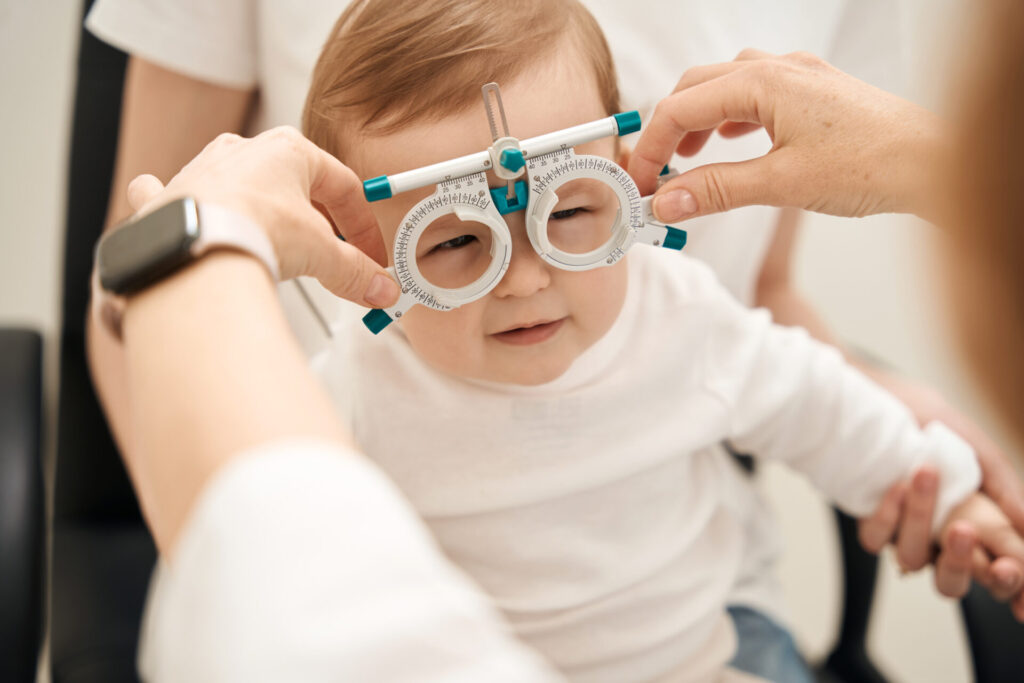
The exam is adapted for babies. Your child doesn’t need to read, identify pictures, or answer questions. Instead, the optometrist uses infant-friendly techniques, observation, light, lenses, and age-appropriate testing methods to gather information.
Parents often wonder what an eye exam looks like when the patient is still a baby.
The appointment is usually gentle, interactive, and designed around your child’s age and attention span. Your baby may sit on your lap for much of the visit. The doctor may use lights, toys, lenses, or other tools to see how your baby’s eyes respond.
You may be asked questions about:
The goal is to understand your baby’s eyes in the context of their overall growth and development. Dr. Keller can also talk with you about what to watch for at home and when your child should return for future pediatric eye care.
Yes. InfantSEE® provides a one-time, no-cost eye and vision assessment for infants between 6 and 12 months old through participating providers.
The program is available regardless of family income or access to insurance coverage.
That makes it especially helpful for parents who are asking questions like:
If your baby is between 6 and 12 months old, you can contact ForSight to ask about scheduling an InfantSEE® assessment with Dr. Keller.
This is one of the most important distinctions for parents to understand.
A vision screening is a brief check designed to flag possible concerns. Screenings may happen at a pediatrician’s office, daycare, preschool, school, or community setting. They’re helpful, but they’re not the same as a comprehensive eye examination.
A comprehensive eye exam is performed by an eye care provider and evaluates the eyes and visual system in more detail.
For infants, that may include checking eye alignment, eye movement, refractive error, visual behavior, and eye health. A screening can be a good first step, but if there’s a concern or if your child is due for a baseline assessment, a full eye exam gives a more complete picture.
Think of it this way: a screening asks, “Does something need a closer look?” An eye exam is the closer look.
You don’t need expensive toys or complicated routines to support your baby’s visual development. Simple daily interaction helps your baby learn to use their eyes.
Helpful activities may include:
These everyday moments help babies connect what they see with how they move, reach, recognize, and respond.
And when you’re not sure whether something you’re seeing is normal, that’s exactly when having a pediatric-focused eye doctor can help. Dr. Keller can evaluate your child’s eyes and help you understand whether a concern needs monitoring, treatment, or reassurance.

If you’re searching for a baby eye exam in Savannah, GA, ForSight Unique Eye Care & Eye Wear provides pediatric eye care in Savannah’s Historic District.
Our office is located at:
ForSight Unique Eye Care & Eye Wear
350 Martin Luther King Jr Blvd Unit A
Savannah, GA 31401
Dr. Melissa Keller primarily sees children at ForSight and helps families navigate infant and pediatric eye care with a clear, reassuring approach. Whether you’re scheduling your baby’s first eye assessment, looking for a pediatric eye exam in Savannah, or preparing for your child’s next stage of vision care, ForSight can help guide you through the process.
Your baby’s first eye exam isn’t about checking something off a list! It’s about making sure your child’s eyes have the support they need during an important stage of growth.
If your baby is between 6 and 12 months old, InfantSEE® may make it possible to receive a one-time, no-cost infant eye and vision assessment with a participating provider.
At ForSight Unique Eye Care & Eye Wear, we’re proud to help Savannah families feel more confident about their children’s eye health from the very beginning. With Dr. Melissa Keller primarily caring for children at our office, parents have a trusted place to bring questions, concerns, and future pediatric eye care needs as their child grows.
If your baby is ready for their first eye exam, we’d love to see you at ForSight.
Please note: If you’re scheduling an appointment for a child under 8 years of age, please contact our office directly. Additionally, no more than two family members may be scheduled on the same day.


Sign up to stay in the loop about the latest happenings and specials at ForSight!
"*" indicates required fields
If you need to reach Dr. Morrow after business hours please call our main office at 912-483-6600. Our voicemail will prompt you to dial #1 for emergencies which will transfer your call directly to Dr. Morrow’s cell phone.
NOTE: There is a $100 after-hours service fee for eye emergencies seen after normal business hours listed below.
Mon – Wed: 7:30am – 6pm
Thurs – Fri: 7:30am – 4pm
Sat – Sun: Closed