

If you wear contact lenses, blurry vision can be frustrating, especially when your contacts used to feel comfortable and give you clear vision. Maybe your vision gets hazy toward the end of the day, clears for a moment when you blink, or suddenly seems blurrier in one eye than the other. While blurry contacts can sometimes have a simple explanation, they can also be a sign that your prescription, contact lens fit, tear film, or eye health has changed.
October is Contact Lens Safety Month, making it a good time to pay closer attention to how your contacts look and feel throughout the day. Contact lenses are medical devices that sit directly on the surface of your eyes, so changes in vision should not automatically be ignored as “just a contact lens problem.” Here are six common reasons your contacts may be blurry and when it may be time to schedule a contact lens exam in Savannah, GA.
Dry eye is one of the most common reasons contact lens vision becomes blurry or inconsistent. Your tears create a smooth surface that helps you see clearly through your contacts, but when that tear film becomes unstable, your vision can become hazy or fluctuate throughout the day.
One clue is blur that temporarily improves after you blink! You may also notice burning, grittiness, redness, watery eyes, or contacts that become increasingly uncomfortable later in the day.
Screen time, allergies, certain medications, environmental conditions, eyelid health, and the contact lens itself can all contribute to dryness. If you constantly need rewetting drops just to make it through the day, it may be worth having your eyes and contact lens fit evaluated rather than assuming discomfort is simply part of wearing contacts.
Your tears naturally contain proteins and oils that can accumulate on reusable contact lenses over time. Makeup, skincare products, and other debris can also collect on the lens surface, creating a cloudy or filmy appearance.
You may notice that your vision is much clearer when you open a fresh pair of contacts but gradually becomes hazier as the lenses age. That can be a sign that deposits, lens material, or your replacement schedule are affecting how clearly you see.
Following the proper cleaning and replacement schedule matters for both clear vision and healthy eyes. If your contacts repeatedly become cloudy before it is time to replace them, mention it during your next contact lens exam so your eye doctor can determine whether another lens material or replacement schedule may work better.
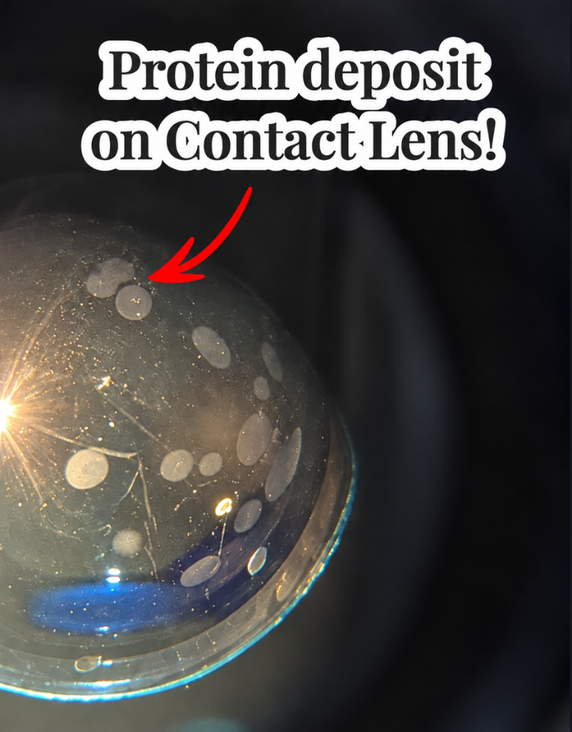
Wearing two-week or monthly contacts longer than recommended is an easy habit to fall into, especially when they still appear normal. But a contact lens does not have to look damaged to stop performing the way it should. As lenses age, they can collect deposits, become less comfortable, and provide less stable vision.
You might find yourself blinking repeatedly to clear your sight or noticing that your vision is sharp in the morning but blurry by late afternoon. Daily disposable contacts should also be discarded after one day rather than cleaned and reused. Following the replacement schedule prescribed for your lenses helps maintain clearer vision and reduces unnecessary stress on your eyes.
If your contacts are no longer giving you clear vision at near or far distances, your prescription may have changed. Vision changes can happen gradually, so you may not immediately notice the difference until you are driving at night, reading signs, working at a computer, or comparing your contact lens vision with your glasses.
An outdated prescription is one reason regular eye exams and contact lens evaluations remain important even when you have worn the same brand for years. Your eye doctor can determine whether the blur is coming from a prescription change or something else affecting the quality of your vision.
And remember, a contact lens prescription involves more than the corrective power printed on the box! The lens also needs to fit your eye properly to provide stable, comfortable vision.
A contact lens has to stay properly positioned on your eye while still moving appropriately when you blink. If it moves too much, shifts off center, or rotates, your vision can come and go even if the prescription itself is correct.
This can be particularly noticeable with contact lenses for astigmatism, because those lenses need to remain in a specific orientation to provide clear vision. Some people describe their vision as becoming sharp immediately after blinking and then blurry again a few seconds later.
During a contact lens fitting, your eye doctor evaluates how the lens fits and moves on your eye. That’s one reason why simply switching to another contact lens brand with the same prescription numbers may not solve the problem.
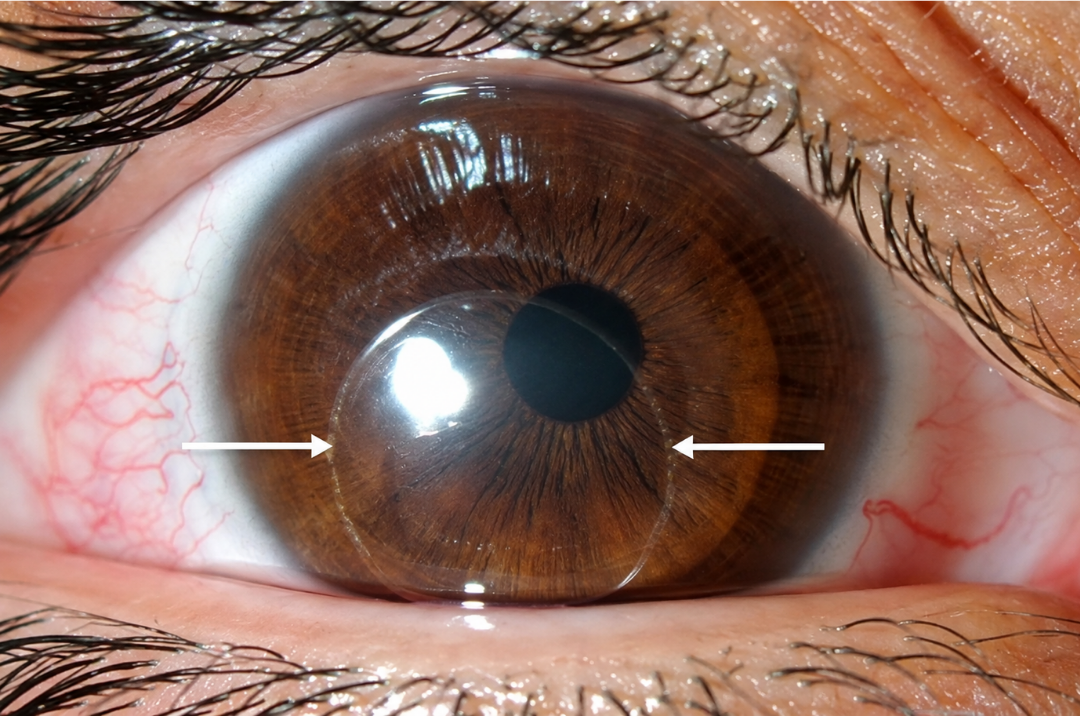
Even properly fitted contact lenses can become uncomfortable or blurry when they are worn longer than recommended. Long wear times can affect the tear film and the surface of the eye, especially when combined with extended screen use, dry environments, or sleeping in lenses that were not prescribed for overnight wear.
Blurry vision may be accompanied by dryness, redness, irritation, or excessive tearing. Those symptoms are your signal to give your eyes attention rather than simply pushing through another few hours of contact lens wear.
Keeping a current pair of glasses available is important for this reason! If your eyes become irritated or your contacts suddenly stop feeling right, you should have another way to see without forcing yourself to continue wearing them.
Sometimes blurry contact lens vision happens in only one eye. The lens may be inside out, damaged, dry, covered with debris, or positioned differently on that eye. Your two eyes can also have different prescriptions, corneal shapes, tear quality, or amounts of astigmatism.
If replacing the lens solves the problem and your eye feels completely normal, the lens itself may have been the issue. But persistent blurry vision in one eye, especially if it continues after removing the contact, deserves an eye exam rather than repeated attempts to change or clean the lens.
Blurry contacts are not always an emergency, but sudden blurry vision should not be ignored, particularly when other symptoms are present.
Remove your contact lenses and contact an eye doctor promptly if blurred vision occurs with:
Contact lens wear can sometimes be associated with corneal inflammation, scratches, or infections. These problems may initially feel like ordinary contact lens irritation, so it is safer to have a painful, red, or suddenly blurry eye evaluated than to keep reinserting the lens and hoping the problem improves.
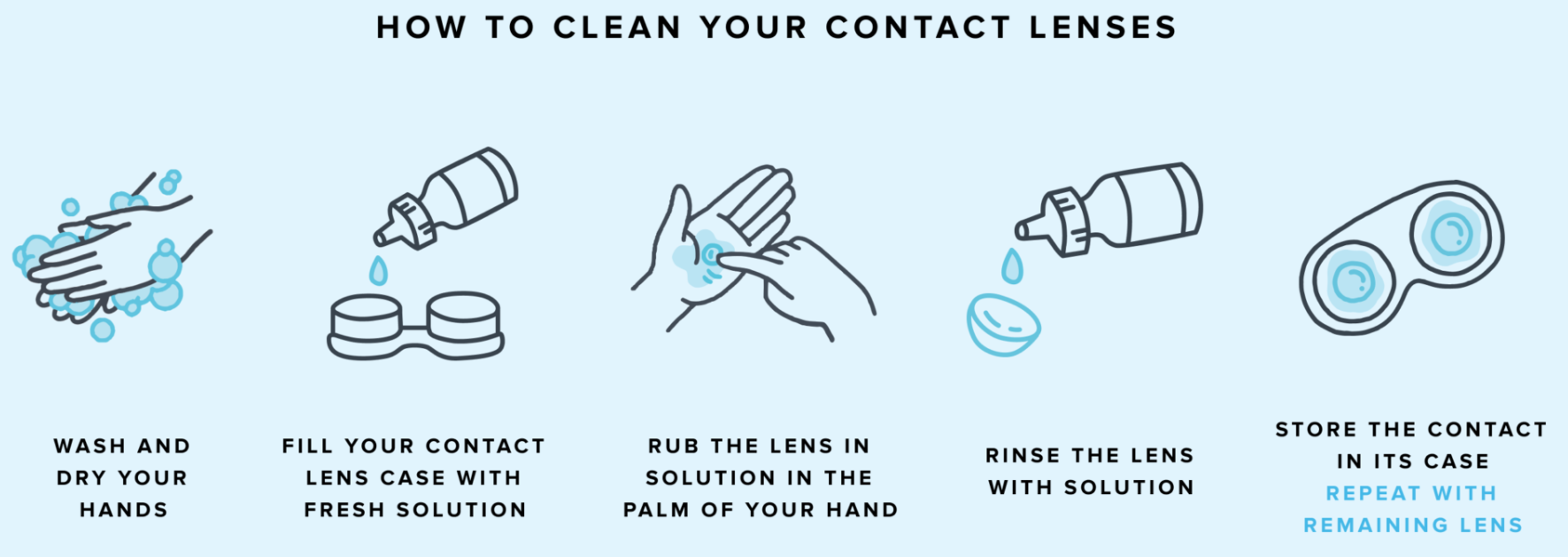
Good contact lens care helps protect both your vision and the health of your eyes. Always wash and thoroughly dry your hands before handling your lenses, follow the replacement schedule prescribed for them, and use the cleaning and disinfecting system recommended for your particular lenses.
Avoid exposing contacts to tap water, pools, hot tubs, or shower water, and never “top off” old contact lens solution with fresh solution. You should also avoid sleeping or napping in contacts unless your eye doctor has specifically prescribed them for overnight wear.
Most importantly, pay attention when something changes. Contacts that were once comfortable but have become consistently blurry or irritating may be telling you that it is time to reassess your prescription, lens fit, dry eye symptoms, or overall eye health.
At ForSight Unique Eye Care & Eye Wear in Savannah, GA, we take the time to evaluate not only how clearly you see through your contacts, but also how the lenses interact with your eyes. Whether you wear contact lenses every day, only occasionally, or have had difficulty finding contacts that work for your eyes, the goal is the same: clear, comfortable vision without compromising eye health.
If you already wear contacts, your eye doctor may want to see how your current lenses fit and perform on your eyes. Follow the instructions given when you schedule your appointment, and bring your glasses along in case your contacts need to be removed during the exam.
Bring your current glasses, contact lens boxes or prescription information, and the names of any eye drops or contact lens solutions you regularly use. These details help your eye doctor understand exactly what you are currently wearing and how well it is working for you.
Blur that becomes worse later in the day can be associated with dry eye, deposits on the lens surface, long wear times, or the way your contacts interact with your tear film. If it happens regularly, your eye doctor can evaluate whether dryness, lens material, fit, or another factor is contributing.
Some lubricating eye drops are specifically formulated for use with contact lenses, while others are not intended to be used while contacts are in your eyes. Check the product instructions or ask your eye doctor which drops are appropriate for your lenses and your particular dry eye symptoms.
Not necessarily. Two contact lens brands with the same corrective power can have different materials, base curves, diameters, and designs that affect how they fit your eyes. Talk with your eye doctor before switching so the new lens can be evaluated properly.
Yes. Every contact lens wearer should have glasses with a usable current prescription available in case the eyes become irritated, the contacts are damaged, or you need to temporarily stop wearing them.
You may still be able to wear contacts during allergy season, but itchy, watery, or irritated eyes can make them less comfortable. If your eyes are actively red or irritated, taking a break from your contacts may be helpful. Your eye doctor can also recommend contact lens options and eye drops that are appropriate for your eyes and allergy symptoms.
It is generally best to remove your contacts when you develop unexplained redness, pain, discharge, or significant irritation. Because several different eye conditions can cause a red eye, an eye doctor can determine the cause and tell you when it is safe to resume contact lens wear.
Yes. Makeup, skincare products, oils, and cosmetic particles can transfer to a contact lens and create irritation or cloudy vision. Inserting contacts before applying eye makeup and removing them before taking makeup off can help reduce contamination of the lens surface.
You can purchase contact lenses from a legitimate seller when you have a valid contact lens prescription. Make sure the brand and lens parameters match what your eye doctor prescribed rather than substituting another lens solely because the prescription power looks similar.
Contact lenses should provide clear, comfortable vision, not leave you constantly blinking, squinting, or wondering why everything looks hazy. If your contacts have become blurry, uncomfortable, or unpredictable, there may be a reason worth investigating.
Schedule a contact lens exam in Savannah, GA with ForSight Unique Eye Care & Eye Wear to find out what is affecting your vision and whether a different prescription, fit, lens option, or approach to eye health could help you see more clearly.


Sign up to stay in the loop about the latest happenings and specials at ForSight!
"*" indicates required fields
Our doctors at ForSight offer after-hours emergency eye care exclusively to established patients. If you are not an established patient, we recommend visiting your local urgent care facility and following up with your primary eye care provider on the next business day.
If you are an established patient experiencing flashes of light, new spots in your vision, sudden vision loss or changes, red or painful eyes, or other urgent eye concerns, please call (912) 483-6600 and press 1 to reach our after-hours emergency care service.
PLEASE NOTE: A $100 after-hours service fee applies to emergency eye care provided outside our regular business hours listed below.
Mon – Wed: 7:30am – 6pm
Thurs – Fri: 7:30am – 5pm
Sat – Sun: Closed