
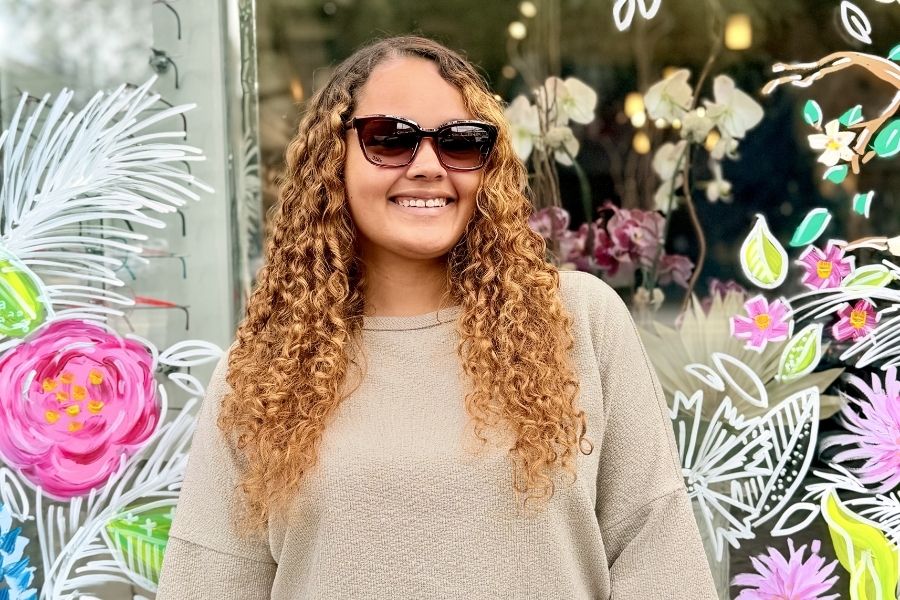
Sunglasses are one of those things people often choose by style first, and I completely understand why. A great pair of sunglasses can complete an outfit and protect you from squinting through a bright Savannah afternoon.
But sunglasses are also eye protection! One of the questions we hear often is whether polarized sunglasses and UV sunglasses are the same thing. They sound like they should be similar, but they actually do two different jobs.
The simplest way to think about it is this: UV protection protects your eyes from harmful ultraviolet rays. Polarization helps reduce glare.
Ideally, your sunglasses should do both!
UV protection is the most important thing to look for in a pair of sunglasses.
Ultraviolet rays come from the sun, and over time, too much exposure can contribute to eye health concerns like cataracts, macular degeneration, and damage to the delicate skin around the eyes. Think of UV protection as the health piece. It’s what helps protect your eyes from damage you may not feel immediately, but that can matter over time.
UV rays can also reflect off bright surfaces, which means your eyes may still be exposed even when you’re not looking directly toward the sun. That’s why we always want patients to look for sunglasses that offer 100% UVA and UVB protection or say UV400.
Remember, darker lenses don’t automatically mean better protection. A lens can look very dark and still not offer the UV protection your eyes need. That’s why the label, lens quality, and where you purchase your sunglasses matter.
Polarized lenses are all about glare!
Glare happens when light reflects off flat or shiny surfaces like water, pavement, car windshields, sand, or even a wet road after one of our Savannah rainstorms. That reflected light can feel harsh and uncomfortable, and it can make it harder to see clearly.
Polarized lenses have a special filter that helps reduce that reflected glare. This can make the world look clearer and easier on your eyes, especially when you’re walking near the water or spending time at the beach.
I love polarized lenses for patients who spend a lot of time outside because they can make such a noticeable difference in comfort. Less glare often means less squinting, less visual fatigue, and a more relaxed feeling in bright conditions.
But polarization doesn’t automatically mean UV protection. That’s the part I really want people to understand. A polarized lens may feel more comfortable because it reduces glare, but you still need to make sure it also has proper UV protection.
If I had to choose one, I’d always start with UV protection.
Polarization is wonderful for comfort and clarity, but UV protection is essential for long term eye health. This is especially helpful in Savannah, where so much of life happens outside! Walking downtown, driving on bright afternoons, spending time near the water, watching kids play sports, sitting outside for lunch, going to the beach, or heading out for a weekend on the boat all create different kinds of light exposure.
Your sunglasses should be doing more than just making things darker. They should help your eyes feel protected and comfortable wherever the day takes you.
Polarized lenses are wonderful, but they’re not perfect for every situation.
Because of how they filter light, they can sometimes make it harder to see certain digital screens, such as car displays, phones, tablets, or navigation screens. Some people notice this more than others.
That doesn’t mean polarized lenses are a bad choice. It just means we like to talk through how you use your sunglasses before recommending the right lens. Do you drive a lot? Need prescription sunglasses? Read screens outdoors? Have light sensitivity? Prefer one pair for everything? These details help us guide you toward something that will work with your lifestyle.
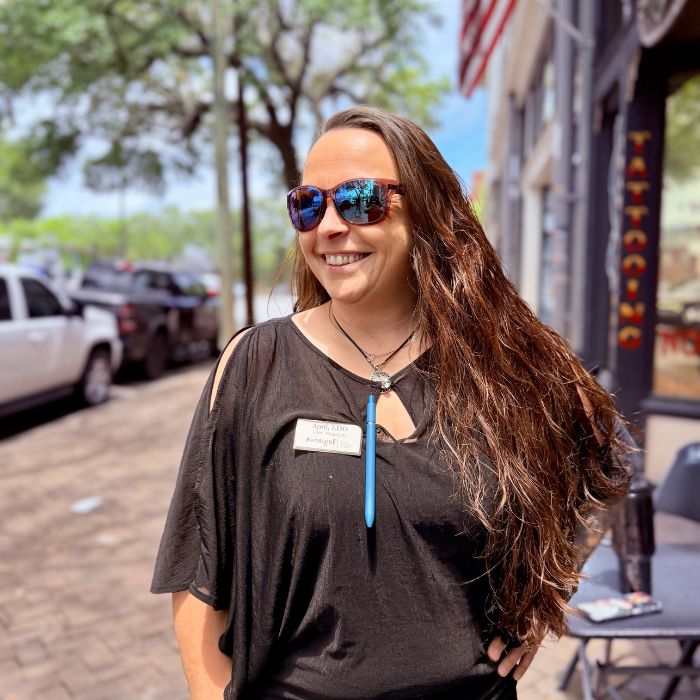
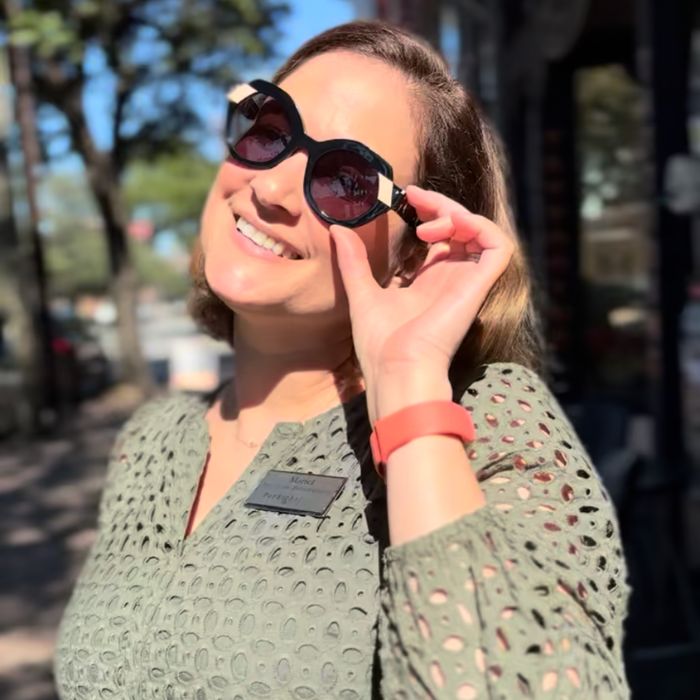
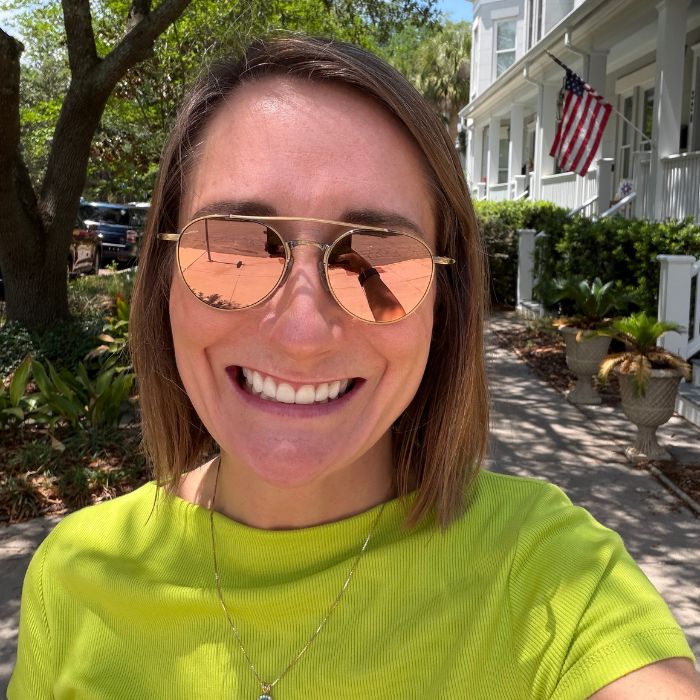
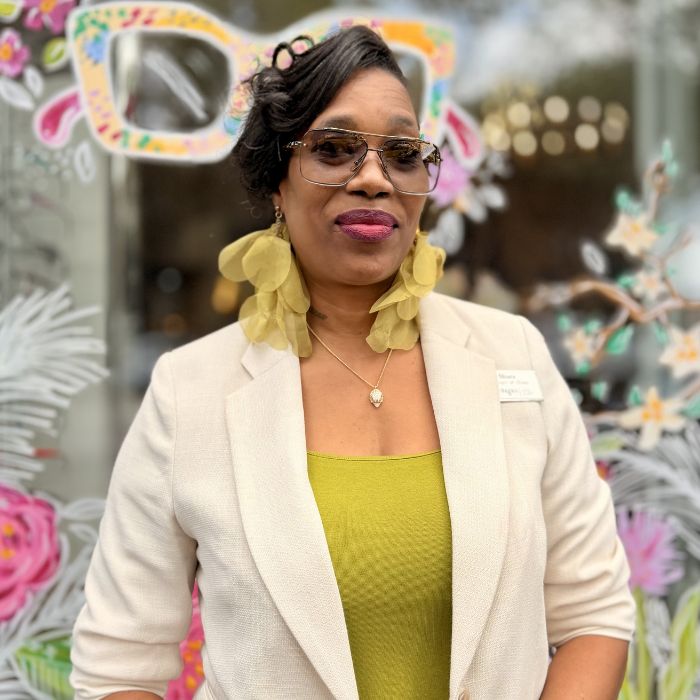
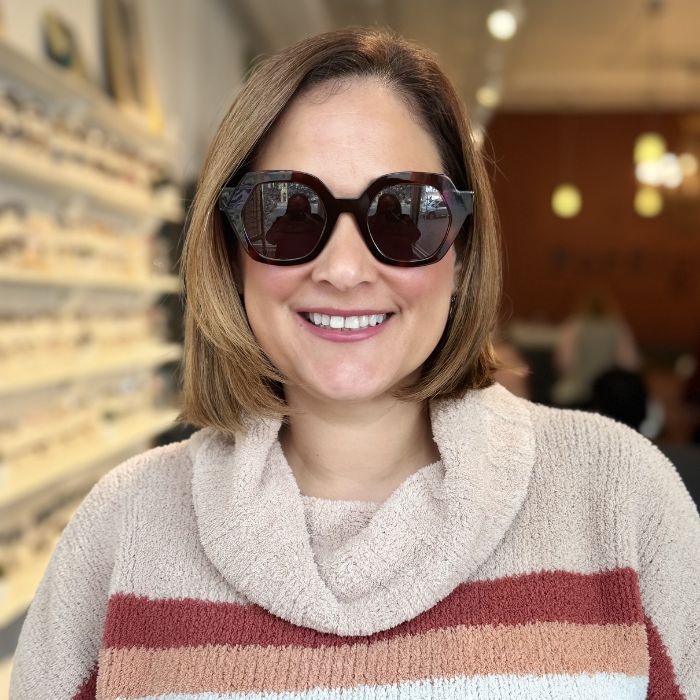
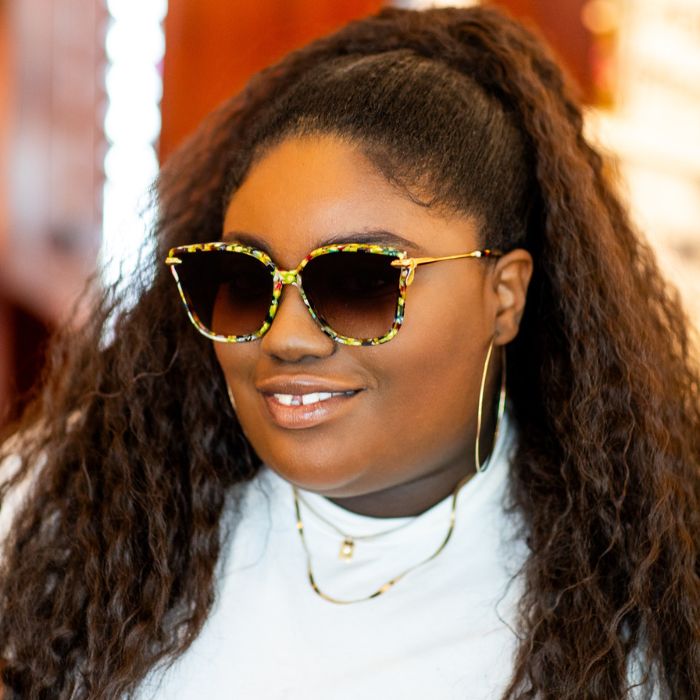
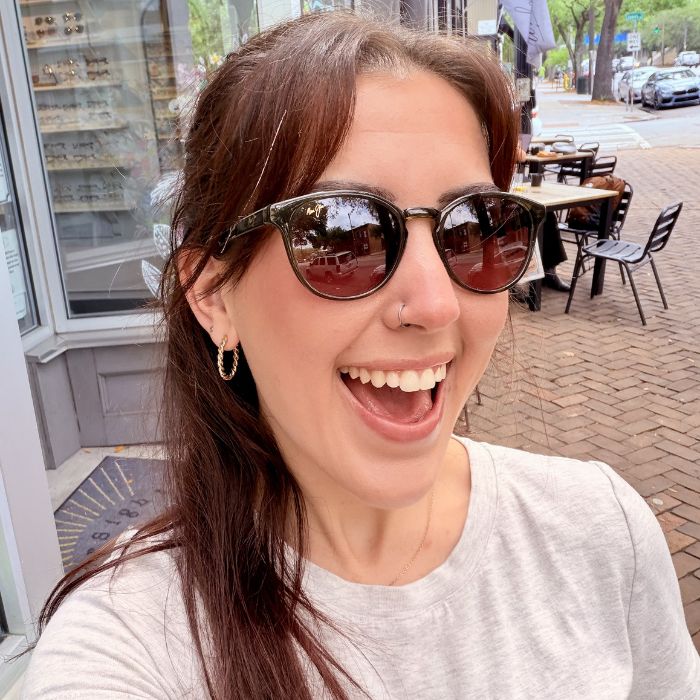
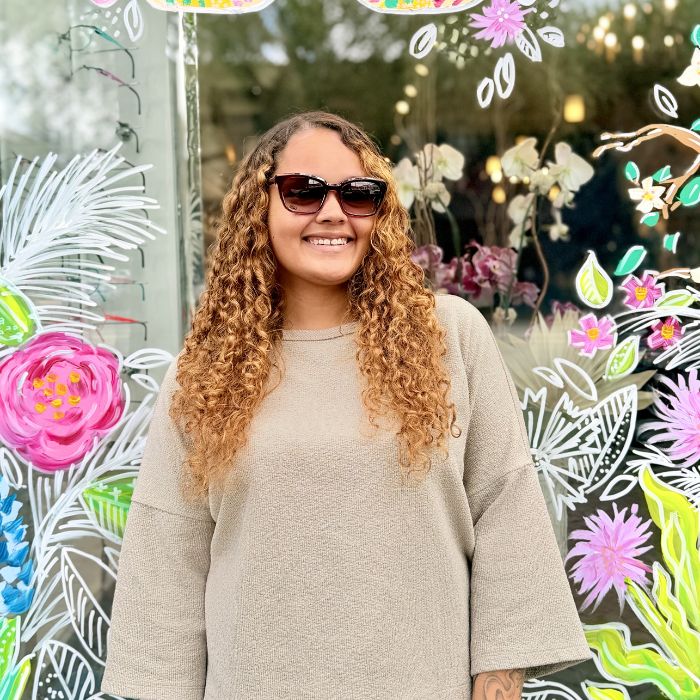
And if you’re not sure, come see us! We’d love to help you find sunglasses that protect your eyes and get you excited to wear them. Here’s what the team at ForSight Unique Eyecare & Eyewear are wearing for their sunglasses this year:



If you need to reach Dr. Morrow after business hours please call our main office at 912-483-6600. Our voicemail will prompt you to dial #1 for emergencies which will transfer your call directly to Dr. Morrow’s cell phone.
NOTE: There is a $100 after-hours service fee for eye emergencies seen after normal business hours listed below.
Mon – Wed: 7:30am – 6pm
Thurs – Fri: 7:30am – 4pm
Sat – Sun: Closed
If you are an existing patient, please log in to schedule your appointment online. If you do not remember your login information, please call or text our office at 912-483-6600.
If you are new to our office and have never seen one of our providers, please text or call us at (912) 483-6600 to schedule your first appointment. At this time, new patient appointments cannot be scheduled online so we can ensure proper scheduling and collect all necessary information for your visit.