
Omega-3 fatty acids, particularly EPA (eicosapentaenoic acid) and DHA (docosahexaenoic acid), can help alleviate dry eye symptoms by reducing inflammation and improving the quality of the tear film. Here’s how they work:
Omega-3s have anti-inflammatory properties that can reduce inflammation in the glands that produce tears, especially the meibomian glands, which are responsible for producing the oily layer of the tear film. This can improve tear stability and reduce evaporation, helping maintain moisture on the eye's surface.
Studies suggest that omega-3s may stimulate the glands in the eye to produce more tears, providing better lubrication and relief from dry eye symptoms.
Omega-3 fatty acids can help improve the composition of the tear film, particularly its oily layer. This prevents rapid tear evaporation, which is a common cause of dry eye.
Omega-3s may also protect against oxidative damage to the eye's surface, which can contribute to dry eye syndrome.
By promoting general eye health, omega-3s may help reduce the risk of developing dry eye disease or alleviate its symptoms in those who already have it.
How to Include Omega-3s:
Dietary Sources: Fatty fish (like salmon, mackerel, and sardines), flaxseeds, chia seeds, and walnuts.
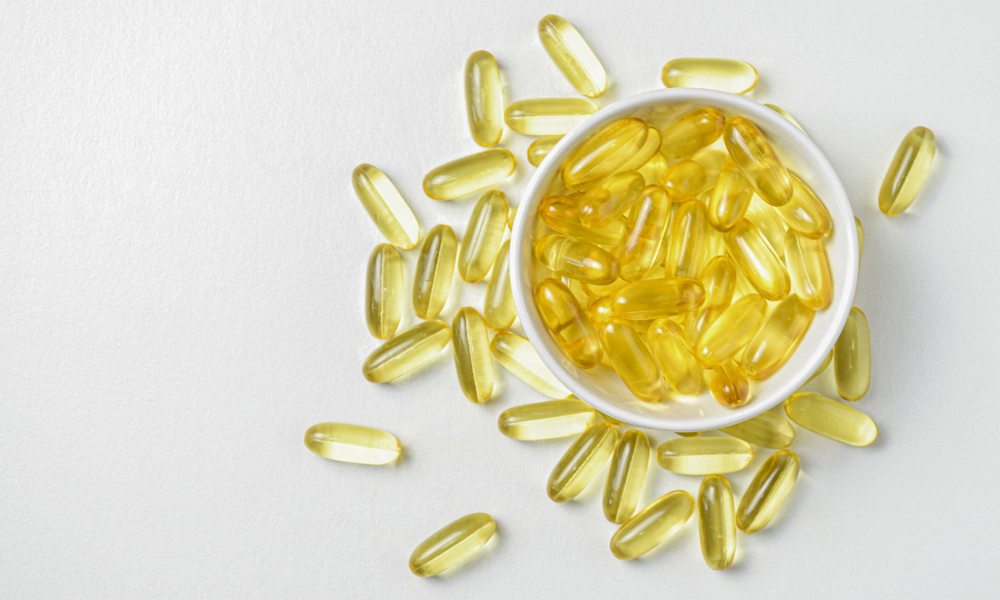
Supplements: Omega-3 supplements, such as fish oil or flaxseed oil, are also available.
If you are considering omega-3 supplements for dry eye, it is best to consult with an eye care professional to determine the appropriate dosage and form. Not all Omega-3s are created equal as you will read later.
The best form of omega-3 depends on individual needs, preferences, and dietary restrictions, but here are the most common forms of omega-3 supplements and their benefits:
What it is: The form naturally found in fish, consisting of omega-3s (EPA and DHA) attached to a glycerol backbone.
Benefits: High bioavailability (easily absorbed by the body), and it's generally well-tolerated. It's the closest to how omega-3s are found in nature.
Best For: Those who prefer a natural option and may be looking for a cost-effective choice.
What it is: A purified and concentrated form of omega-3, processed to remove impurities and restructured to be in triglyceride form.
Benefits: Higher concentration of EPA and DHA than natural fish oil, with good bioavailability. Often less prone to oxidation (rancidity).
Best For: People who want a highly potent omega-3 supplement with good absorption and fewer capsules to take.
What it is: Omega-3s in ethyl ester form, created by chemically modifying fish oil.
Benefits: Can be highly concentrated to provide a high dose of EPA and DHA in a smaller volume. However, this form may be less well absorbed compared to triglyceride forms.
Best For: Individuals needing high doses of omega-3, as it can be found in prescription-strength omega-3 supplements.
What it is: Omega-3s bound to phospholipids, which are the primary building blocks of cell membranes.
Benefits: Very high bioavailability and easy to digest. Krill oil also contains astaxanthin, a potent antioxidant that protects omega-3s from oxidation.
Best For: Those who want a supplement with high absorption, added antioxidant benefits, and don't mind a slightly higher cost.
What it is: Omega-3 in the form of ALA, found in flaxseeds, chia seeds, hemp seeds, and walnuts.
Benefits: Suitable for vegetarians and vegans, but ALA needs to be converted to EPA and DHA by the body, and this conversion is relatively inefficient.
Best For: People on a plant-based diet who are looking for an omega-3 source, although they might consider a microalgae-based DHA supplement for better efficacy.
What it is: Derived from microalgae, it provides DHA and sometimes EPA.
Benefits: The only vegan source of EPA and DHA directly. Environmentally sustainable and free from ocean contaminants.
Best For: Vegetarians, vegans, or anyone looking for a sustainable source of DHA and EPA.
For General Health: A triglyceride or re-esterified triglyceride fish oil is often recommended due to its balance of efficacy, absorption, and availability.
For Vegetarians/Vegans: Algal oil is the best option.
For High-Dose Needs: Ethyl ester fish oil can be effective for those needing concentrated doses, but it should be taken with food to enhance absorption.
For Enhanced Absorption and Antioxidant Benefits: Krill oil offers high bioavailability and added antioxidant protection.
It's always a good idea to consult with a healthcare provider to choose the best form and dosage based on individual health needs and condition.
Getting "fish burps" (a fishy aftertaste or burping after taking omega-3 supplements) is a common side effect and is generally harmless, but it can be unpleasant. Whether it’s considered "good" or "bad" depends more on personal comfort and preference rather than health impact.
Oxidation of the Oil: If the fish oil is not of high quality or has oxidized (gone rancid), it can lead to a stronger fishy aftertaste.
Low-Quality Fish Oil: Lower-quality fish oils may not be properly purified or refined, resulting in a more pronounced fishy odor or taste.
Improper Storage: Fish oil supplements need to be stored in a cool, dark place to prevent them from going rancid. Improper storage can increase the likelihood of fish burps.
Digestive Process: As the fish oil is digested in the stomach, it may release gases that lead to burping, which can bring the taste back up.
Not Harmful: Fish burps are not harmful in themselves, but they can be a sign that the fish oil supplement is of lower quality or has oxidized. Rancid oil may have reduced health benefits and could potentially cause mild digestive upset.
Unpleasant Experience: For many, the experience is just unpleasant and can discourage continued use of the supplement.
Choose High-Quality Supplements: Look for brands that use high-quality, purified fish oil and have a good reputation for freshness. Look for terms like "molecularly distilled" or "pharmaceutical-grade."
Enteric-Coated Capsules: These have a special coating that helps the capsules pass through the stomach and dissolve in the intestines, reducing the chance of burping.
Refrigerate the Supplement: Keeping fish oil capsules in the refrigerator can help reduce the chance of burping by slowing down their breakdown in the stomach.
Take with Food: Taking fish oil supplements with a meal, especially one with some fat, can help the oil mix with the food and reduce the chance of experiencing fish burps.
Consider Alternative Forms: Krill oil or algal oil (for vegetarians or those who dislike fish burps) tends to be less likely to cause fish burps due to better digestibility and different formulation.
Fish burps are more of an annoyance than a health concern. However, if they bother you or if they persist, it may be worth switching to a different brand or form of omega-3, such as enteric-coated capsules, krill oil, or algal oil, to reduce or eliminate the issue.


Sign up to stay in the loop about the latest happenings and specials at ForSight!
"*" indicates required fields
If you need to reach Dr. Morrow after business hours please call our main office at 912-483-6600. Our voicemail will prompt you to dial #1 for emergencies which will transfer your call directly to Dr. Morrow’s cell phone.
NOTE: There is a $100 after-hours service fee for eye emergencies seen after normal business hours listed below.
Mon – Wed: 7:30am – 6pm
Thurs – Fri: 7:30am – 4pm
Sat – Sun: Closed
If you are an existing patient, please log in to schedule your appointment online. If you do not remember your login information, please call or text our office at 912-483-6600.
If you are new to our office and have never seen one of our providers, please text or call us at (912) 483-6600 to schedule your first appointment. At this time, new patient appointments cannot be scheduled online so we can ensure proper scheduling and collect all necessary information for your visit.