
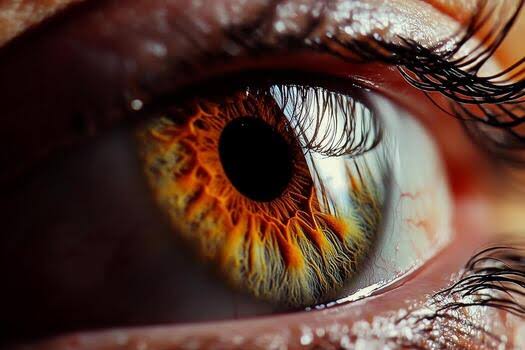
Your eyes can tell your eye doctor much more than whether you need glasses or contacts. Because the eyes contain tiny blood vessels, nerves, and tissues that can be examined directly, changes inside or around the eyes can sometimes provide clues about what is happening elsewhere in your body. That is one reason World Sight Day is an important reminder to make eye health part of your overall health routine!
At ForSight Unique Eye Care & Eye Wear in Savannah, a comprehensive eye exam looks beyond the eye chart. While an eye exam cannot diagnose every health condition, certain findings may indicate that additional evaluation by your primary care doctor or another healthcare provider is a good idea.
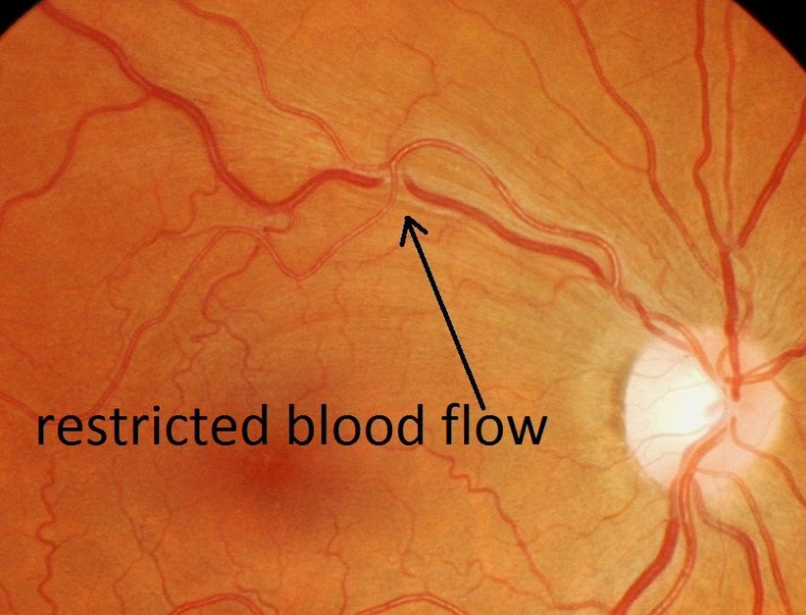
Diabetes can affect the tiny blood vessels in the retina, sometimes before a person notices changes in their vision. An eye doctor may see leaking, swelling, bleeding, or abnormal blood vessel changes associated with diabetic retinopathy during a dilated eye exam. Fluctuating blood sugar can also cause temporary blurry vision by affecting the lens inside the eye. If you have diabetes, regular diabetic eye exams are an important part of protecting your sight and monitoring for changes that could affect your vision.
High blood pressure does not always cause noticeable symptoms, but it can affect the delicate blood vessels at the back of the eye. During an eye exam, changes to those vessels may provide clues about how hypertension is affecting the body. Over time, uncontrolled high blood pressure can damage the retina and increase the risk of serious vision problems. A retinal evaluation, including technology such as an Optomap retinal exam, can help your eye doctor get a broader look at the health of the retina and its blood vessels.
Certain changes around the eyes can sometimes be associated with elevated cholesterol. Yellowish deposits around the eyelids, known as xanthelasma, are one example, although they do not automatically mean someone has high cholesterol. Your eye doctor may recommend discussing these findings with your healthcare provider, particularly when they appear unexpectedly or alongside other risk factors. A simple blood test can determine whether your cholesterol levels need attention.
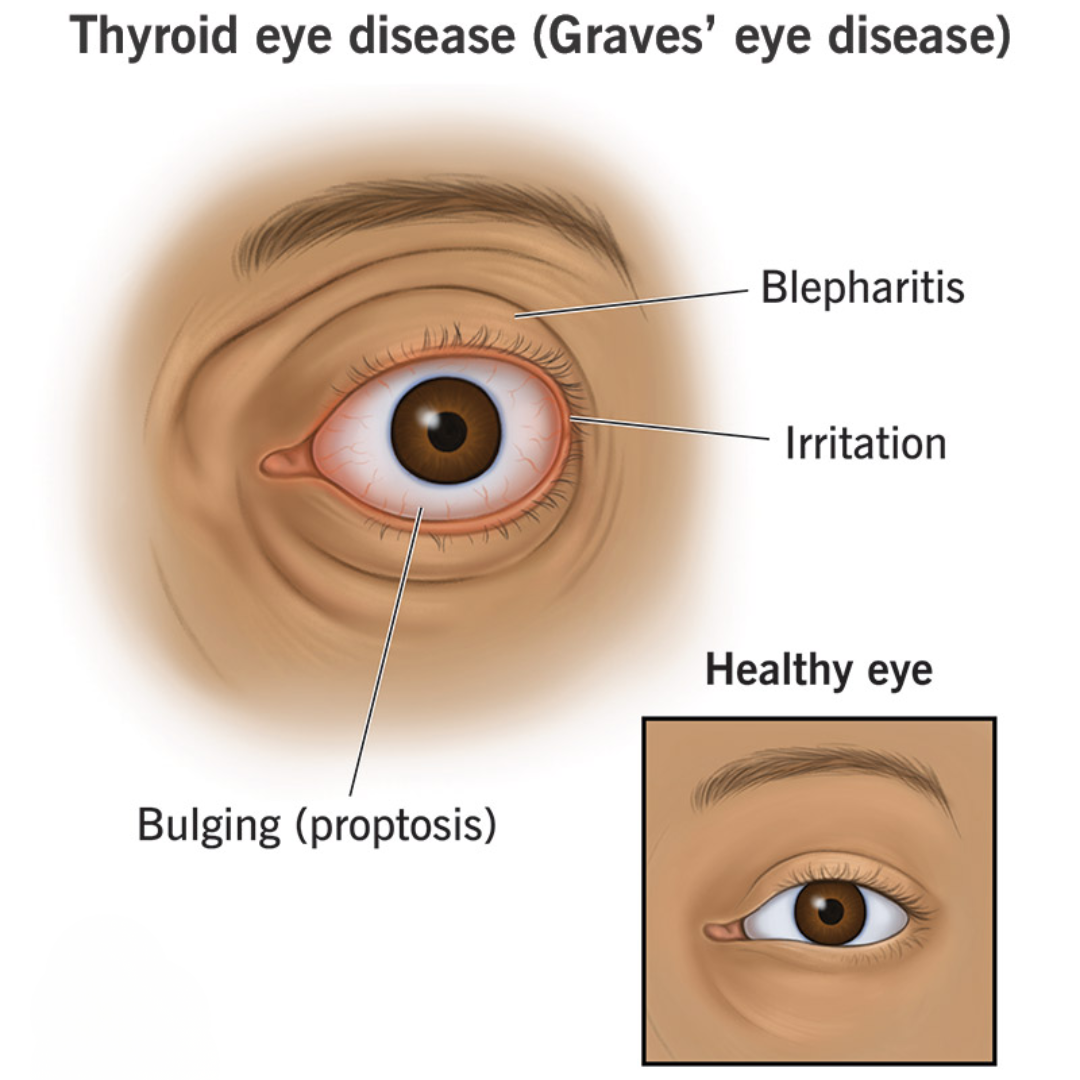
Changes in the eyes can sometimes be connected to thyroid conditions, particularly Graves’ disease and thyroid eye disease. Symptoms may include bulging or prominent eyes, eyelid changes, dryness, redness, pressure around the eyes, or double vision. Because these symptoms can have several possible causes, an eye exam can help determine what is happening and whether additional medical evaluation is appropriate. Persistent double vision or noticeable changes in the appearance of your eyes should not be ignored.
Some autoimmune conditions can affect the eyes by causing significant dryness or inflammation. Conditions such as Sjögren’s disease and other inflammatory disorders may involve the surface of the eye or structures deeper inside it. Ongoing redness, eye pain, light sensitivity, or unusually persistent dry eye symptoms can sometimes be part of a larger health picture. Your eye doctor can evaluate the eye itself and determine whether the findings suggest that additional medical testing may be helpful.
The eyes and brain are closely connected through the optic nerves and visual pathways. Changes in pupils, eye movements, peripheral vision, the optic nerve, or sudden changes in vision can sometimes provide clues that something neurological may be happening.
That does not mean every headache, floater, or moment of blurry vision signals a neurological problem. However, sudden vision loss, new double vision, or abrupt changes in your field of vision deserve prompt attention, and ForSight provides emergency eye care in Savannah for sudden vision changes and other urgent eye concerns.

Certain nutritional deficiencies and systemic health conditions can also affect the appearance or function of the eyes. For example, severe anemia may contribute to paleness of the tissues around the eye, while some nutritional deficiencies can affect the ocular surface or night vision.
These findings are not enough to diagnose a nutritional problem on their own. Instead, they are another example of why your eye doctor looks at much more than your prescription during a comprehensive eye exam.
You can have 20/20 vision and still have an eye health issue developing without obvious symptoms. That is why routine comprehensive eye exams matter even when your vision seems perfectly fine. They give your eye doctor an opportunity to evaluate the health of your eyes and identify changes that may otherwise go unnoticed.
Want to know more about what happens during an eye exam and how often you should schedule one? Read our guide to Eye Exams in Savannah, GA: What to Know in 2026. Schedule a visit with ForSight Unique Eye Care & Eye Wear and make your eye health a priority!


Sign up to stay in the loop about the latest happenings and specials at ForSight!
"*" indicates required fields
Our doctors at ForSight offer after-hours emergency eye care exclusively to established patients. If you are not an established patient, we recommend visiting your local urgent care facility and following up with your primary eye care provider on the next business day.
If you are an established patient experiencing flashes of light, new spots in your vision, sudden vision loss or changes, red or painful eyes, or other urgent eye concerns, please call (912) 483-6600 and press 1 to reach our after-hours emergency care service.
PLEASE NOTE: A $100 after-hours service fee applies to emergency eye care provided outside our regular business hours listed below.
Mon – Wed: 7:30am – 6pm
Thurs – Fri: 7:30am – 5pm
Sat – Sun: Closed