August is National Eye Exam Month, which makes it a good time to talk about something I wish more people understood: What does a comprehensive eye exam actually include?
An eye exam is about so much more than determining whether you need new glasses. Clear vision matters, but during a comprehensive eye exam, we’re also looking closely at the health of your eyes. That includes the structures at the front of the eye, the retina and blood vessels in the back, the optic nerve, your eye pressure, and the way your eyes function together.
Some eye conditions develop gradually. Others may not cause noticeable symptoms in their early stages. You may feel like you’re seeing perfectly well while changes are beginning beneath the surface. Here are five things your eye exam may reveal beyond a change in your prescription.
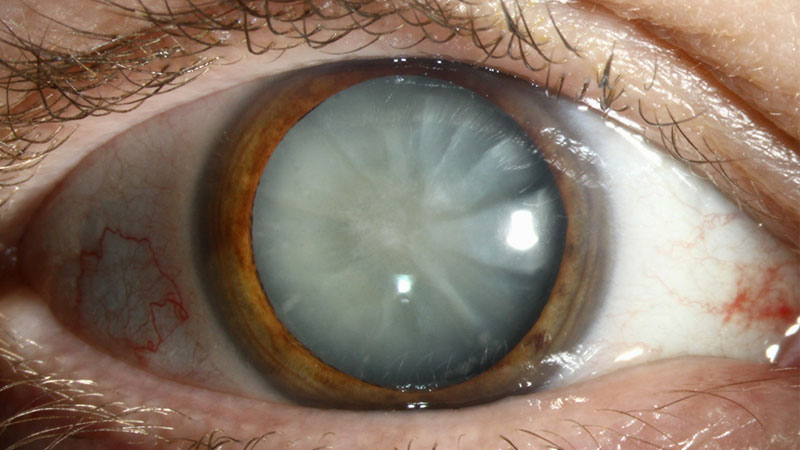
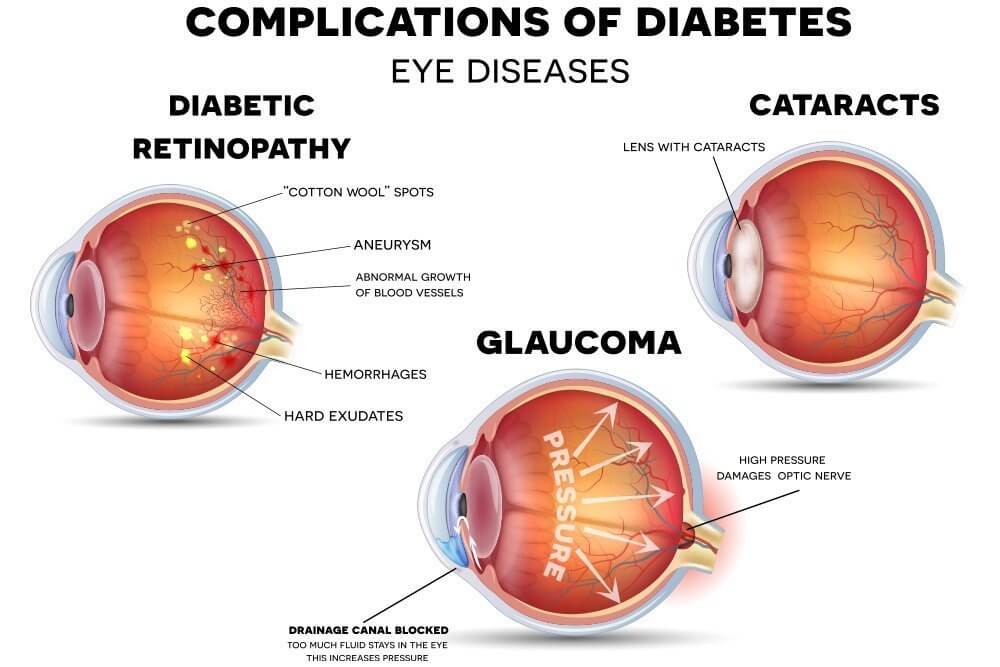
A cataract develops when the natural lens inside the eye becomes cloudy. Cataracts are common as we age, but they don’t always announce themselves right away.
In the early stages, you may simply feel like your prescription isn’t quite right anymore. Colors may seem less vivid, nighttime driving may become more difficult, or headlights may suddenly create more glare than they used to. Because these changes often happen gradually, it’s easy to adjust without realizing how much your vision has changed.
During a comprehensive eye exam, we can examine the lens and look for early clouding. Finding a cataract doesn’t automatically mean you need surgery. At ForSight Unique Eye Care & Eye Wear, it gives us the opportunity to monitor the change, update your vision correction when appropriate, and help you understand what to expect over time.
Glaucoma is one of the most important reasons not to wait until something feels wrong before scheduling an eye exam.
The condition damages the optic nerve and can gradually affect peripheral vision. The difficult part is that many people don’t notice symptoms in the early stages. Vision loss can begin so slowly that it isn’t obvious until significant damage has already occurred.
A comprehensive exam allows us to evaluate the appearance of the optic nerve, measure eye pressure, assess peripheral vision when needed, and look at other risk factors. And no, measuring your eye pressure doesn’t always mean the dreaded air puff! Eye pressure is only one piece of the picture. Someone can have elevated pressure without glaucoma, while another person may develop glaucoma even when their pressure falls within a typical range.
At ForSight, our doctors look at the full picture rather than relying on one measurement alone. The appearance of the optic nerve, your eye pressure, peripheral vision, family history, and other individual risk factors can all help us understand whether closer monitoring or additional testing may be needed.
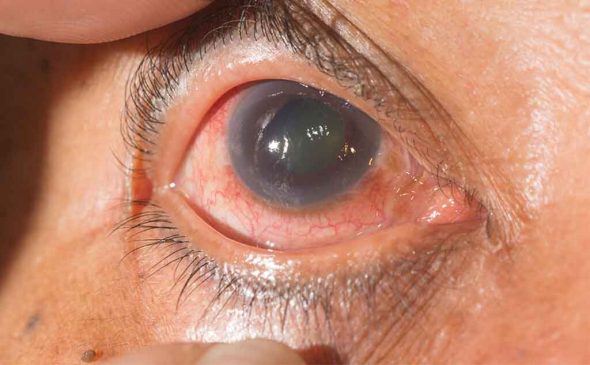
The retina is the light-sensitive tissue lining the back of the eye, and the macula is the small central area responsible for the detailed vision you use to read, drive, and recognize faces.
During a comprehensive eye exam, we can look for changes in these delicate structures that may not be visible or noticeable to you yet. That can include early signs of age-related macular degeneration, areas of retinal thinning, unusual pigmentation, swelling, or other findings that may need to be monitored more closely.
You may also notice new flashes, floaters, distortion, or a shadow in your vision between routine visits. Those symptoms should never wait for your next regularly scheduled exam. Call ForSight Unique Eye care & Eye wear promptly so your retina can be evaluated.
Click here to learn more about our emergency eye care protocol.
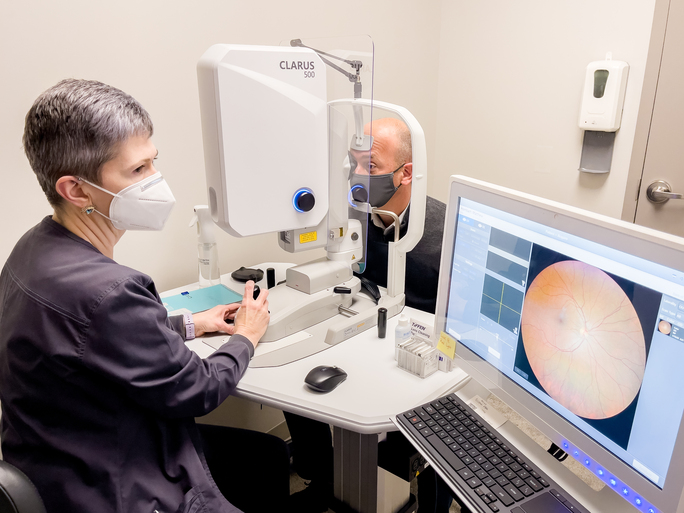
The eyes give us a rare opportunity to view blood vessels directly, which means an eye exam can sometimes reveal clues about what’s happening elsewhere in the body.
Diabetes can damage the tiny blood vessels in the retina, leading to diabetic retinopathy. In its early stages, this condition may not cause any noticeable symptoms. As it progresses, it can cause blurry vision, floaters, swelling, and potentially serious vision loss.
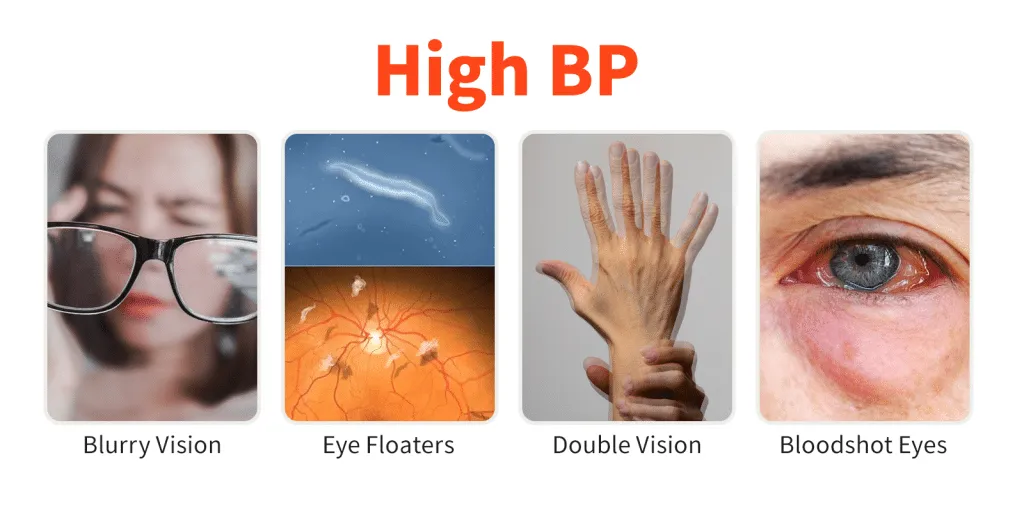
High blood pressure can also affect the retinal blood vessels. Changes in their appearance may signal that the eyes, and possibly other parts of the body, are experiencing the effects of hypertension.
Your eye doctor isn’t replacing your primary care provider or diagnosing every systemic condition through an eye exam. But when we notice findings that may be connected to diabetes, high blood pressure, or another health concern, we can explain what we see and recommend the appropriate medical follow-up. That connection between eye health and overall health is one of the most valuable parts of comprehensive care.
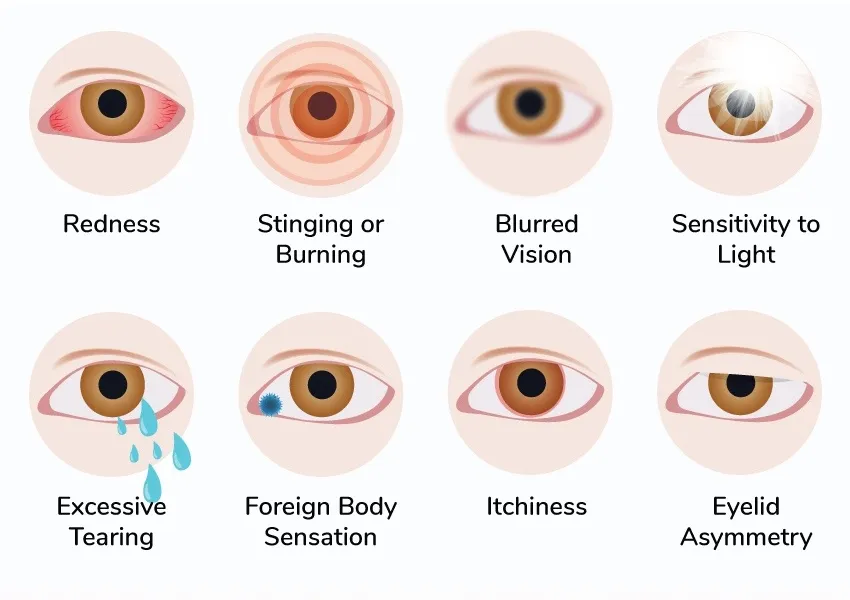
Dry eye may sound less serious than some of the other conditions on this list, but it can have a huge effect on comfort and vision. Patients often describe burning, watering, grittiness, redness, light sensitivity, or vision that becomes blurry and then clears after blinking. Some people assume they’re simply tired or spending too much time on a screen.
During an eye exam, we can evaluate the tear film, cornea, eyelids, and oil-producing glands around the eyes. That helps us understand whether your eyes are making enough tears, whether those tears are evaporating too quickly, and what may be contributing to the irritation.
Dry eye treatment isn’t one size fits all! The right plan depends on the cause, which is why a proper evaluation can be much more helpful than repeatedly trying random drops from the pharmacy. Learn more about dry eye treatment.
You don’t need to wait until your vision becomes blurry or your eyes feel uncomfortable to make an appointment. I repeat, don’t wait! A comprehensive eye exam gives us the chance to understand how well you’re seeing, evaluate the health of your eyes, identify changes early, and make recommendations based on your age, health history, family history, and individual risk factors.
National Eye Exam Month is a helpful reminder, but your eyes deserve that attention all year long.
If it’s been a while since your last comprehensive eye exam, come see us at ForSight Unique Eye Care & Eye Wear in Savannah, GA. We’d love to help you protect your vision and feel confident about the health of your eyes.
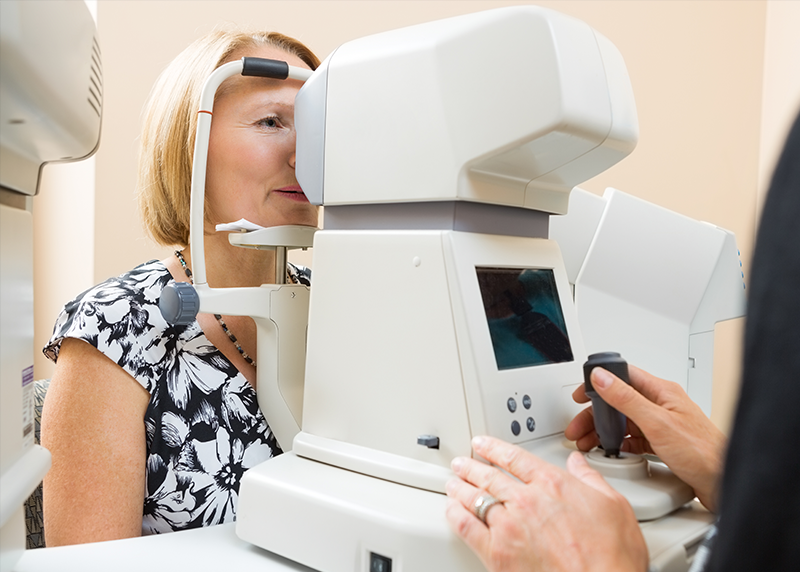
Want to know what to expect during an eye exam? Click here.
And if you have other questions, we’re always happy to answer them. Contact us, and one of our team members will be happy to help.


Sign up to stay in the loop about the latest happenings and specials at ForSight!
"*" indicates required fields
If you need to reach Dr. Morrow after business hours please call our main office at 912-483-6600. Our voicemail will prompt you to dial #1 for emergencies which will transfer your call directly to Dr. Morrow’s cell phone.
NOTE: There is a $100 after-hours service fee for eye emergencies seen after normal business hours listed below.
Mon – Wed: 7:30am – 6pm
Thurs – Fri: 7:30am – 4pm
Sat – Sun: Closed